Your Do any animals have chloroplasts images are ready. Do any animals have chloroplasts are a topic that is being searched for and liked by netizens today. You can Download the Do any animals have chloroplasts files here. Download all free photos.
If you’re looking for do any animals have chloroplasts pictures information related to the do any animals have chloroplasts topic, you have pay a visit to the right blog. Our site always provides you with suggestions for seeking the highest quality video and image content, please kindly hunt and locate more informative video content and images that match your interests.
Do Any Animals Have Chloroplasts. A plant cell capable of photosynthesis will have at least one chloroplast but may have 100 or more. The chloroplasts use the chlorophyl to convert sunlight into energy, just as plants do, eliminating the need to eat food to gain energy. As mike adams answers, some animals do have plastids, although they get them from algae. In plants, choloroplasts occur in all green tissues.
 Endless creative science possibilities! Find out how your From pinterest.com
Animals has legs, enabling them to search high and low for food, thus they do not need chloroplasts. Animals have mitochondria, while plants do not. A plant cell capable of photosynthesis will have at least one chloroplast but may have 100 or more. We collect them and we keep them in aquaria for months. Plants have mitochondria, while animals do not. Researchers have discovered that some animals can also use light to make food in their bodies, though they require the help of a photosynthetic organism in order to do this.
See elysia chlorotica whose cells actively take up chloroplasts and use them, and keep them alive (though not replicating).
Plants have mitochondria, while animals do not. A little freshwater jellyfish called hydra pinches chloroplasts out of green algae and keeps them in its own gut. They do this by eating algae or cyanobacteria. Both plants and a … nimals have mitochondria. Chloroplast are found in plant cells and they are used to make food for the plant through photosynthesis. Nerve cells have axons and dendrites to send and receive messages.
 Source: pinterest.com
Voilá, the slug is able to photosynthesize light. Cells are made up of different parts. Chloroplast, structure within the cells of plants and green algae that is the site of photosynthesis. Mixing the genomes of algae and animals. None, as animals do not have chloroplasts choose the best explanation as to why both consumers and producers perform cellular respiration.
 Source: pinterest.com
Researchers have discovered that some animals can also use light to make food in their bodies, though they require the help of a photosynthetic organism in order to do this. Therefore, plants can do photosynthesis and animal cells can�t. Plants have chloroplasts, while animals do not. No, in fact no animals create chloroplasts. Well no animals do not have any chloroplasts because it is used for photosynthesis.in a plant it also is the green pigmentation on a plant.
 Source: pinterest.com
Voilá, the slug is able to photosynthesize light. We use cookies to give you the best possible experience on our website. This is technically true, because plants do have chloroplasts. Chlorotica can go longer without eating algae than any others. The cells of animals lack cell walls, chloroplasts and vacuoles which are all found in plant cells;
 Source: pinterest.com
Animals and plants are made of cells. Different types of specialized cells are found in different tissues and have features relative to their function e.g. Not that i know of as their own chloroplasts, but there are more complex multicellular animals out there that pinch the chloroplasts from plants. Experiments have shown that these slugs can go without eating for nine months,. Some animals can, however, engulf other photosynthetic organisms and through either a symbiotic relationship with the photosynthetic organism or by.
 Source: pinterest.com
No, animal cells do not have chloroplasts. Experiments have shown that these slugs can go without eating for nine months,. Not that i know of as their own chloroplasts, but there are more complex multicellular animals out there that pinch the chloroplasts from plants. Animals has legs, enabling them to search high and low for food, thus they do not need chloroplasts. Chlorotica can go longer without eating algae than any others.
 Source: pinterest.com
Tissues are made from cells of a similar type. Quite a few examples are in the cnidarians; As mike adams answers, some animals do have plastids, although they get them from algae. Their digestive cells then hold on to the photosynthetic parts rather than breaking them down. Well no animals do not have any chloroplasts because it is used for photosynthesis.in a plant it also is the green pigmentation on a plant.
 Source: pinterest.com
Plants have mitochondria, while animals do not. Researchers have discovered that some animals can also use light to make food in their bodies, though they require the help of a photosynthetic organism in order to do this. The animals that perform photosynthesis contain captured chloroplasts or living algae containing chloroplasts inside their body. This is the currently selected item. Animal cells do not have chloroplasts;
 Source: pinterest.com
Chlorotica can go longer without eating algae than any others. Even in animals like sea slugs that can keep chloroplasts in their own cells, these cell parts have to be refilled from time to time. The cells of animals lack cell walls, chloroplasts and vacuoles which are all found in plant cells; Plants have mitochondria, while animals do not. Thus, they need chloroplast to absorb the sunlight to convert into chemical energy to make food for their survival.
 Source: pinterest.com
Chlorotica can go longer without eating algae than any others. Not that i know of as their own chloroplasts, but there are more complex multicellular animals out there that pinch the chloroplasts from plants. Chloroplasts carry their own dna and are able to reproduce on their own. Tissues are made from cells of a similar type. Chlorotica can, during time periods where algae is not readily available as a food supply, survive for months.
Source: pinterest.com
Different types of specialized cells are found in different tissues and have features relative to their function e.g. Quite a few examples are in the cnidarians; They do this by eating algae or cyanobacteria. Elysia chlorotica, eats algae, it acquires the plant’s cellular components, called chloroplasts, that produce chlorophyll. Cells are made up of different parts.
 Source: pinterest.com
Plant cells have some specialized properties that make them distinct from animal cells. Quite a few examples are in the cnidarians; By continuing to use this site you consent to the use of cookies on your device as described in our cookie policy unless you have disabled them. However, species like tridacna are able to live in symbiosis with algae living in their mantle tissues and so kind of can photosynthesise. They can only move with the direction of sunlight.
 Source: pinterest.com
Plants have mitochondria, while animals do not. Animals do not have their own chloroplasts. Voilá, the slug is able to photosynthesize light. The chloroplasts use the chlorophyl to convert sunlight into energy, just as plants do, eliminating the need to eat food to gain energy. See elysia chlorotica whose cells actively take up chloroplasts and use them, and keep them alive (though not replicating).
 Source: pinterest.com
Chlorotica can, during time periods where algae is not readily available as a food supply, survive for months. The chloroplasts use the chlorophyl to convert sunlight into energy, just as plants do, eliminating the need to eat food to gain energy. The cells of animals lack cell walls, chloroplasts and vacuoles which are all found in plant cells; Animals has legs, enabling them to search high and low for food, thus they do not need chloroplasts. Because of this, scientists speculate whether chloroplasts were once living organisms—possibly even parasites—independent of the plants that bear them today.
 Source: pinterest.com
The onion is a photosynthetic plant, and it holds numerous chloroplasts in the leaves, which receive much more sunlight, but very few in other parts of the plant. Plants have mitochondria, while animals do not. Animals and plants are made of cells. This is technically true, because plants do have chloroplasts. And plant cells usually have a regular shape.
 Source:
Animals has legs, enabling them to search high and low for food, thus they do not need chloroplasts. Cells are made up of different parts. Just like any animal cell. They do this by eating algae or cyanobacteria. No, animal cells do not have chloroplasts.
 Source: pinterest.com
Furthermore, most animals can move, and this capability is an enormous advantage when it comes to feeding, finding a mate and escaping from predators. See elysia chlorotica whose cells actively take up chloroplasts and use them, and keep them alive (though not replicating). Both plants and animals have chloroplasts. Not that i know of as their own chloroplasts, but there are more complex multicellular animals out there that pinch the chloroplasts from plants. Some animals can, however, engulf other photosynthetic organisms and through either a symbiotic relationship with the photosynthetic organism or by.
 Source: pinterest.com
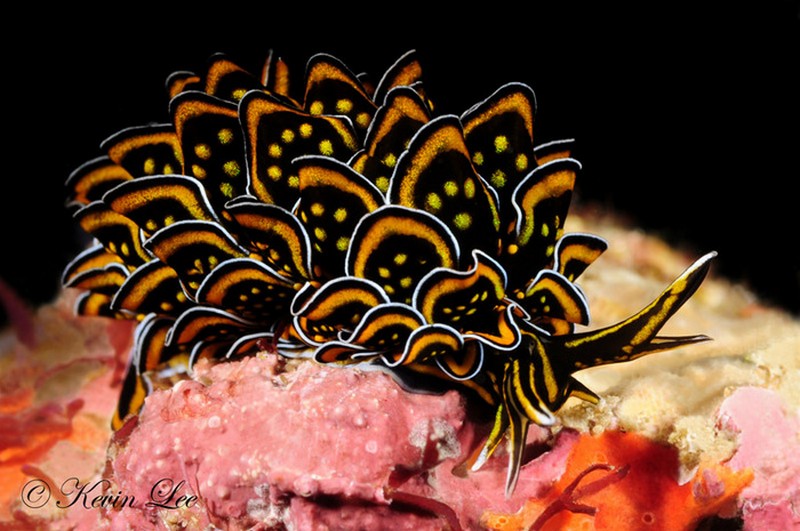
For animals, height may be an advantage sometimes as well, but most animals have skeletons and musculature. Elysia chlorotica, eats algae, it acquires the plant’s cellular components, called chloroplasts, that produce chlorophyll. Chlorotica can, during time periods where algae is not readily available as a food supply, survive for months. Their digestive cells then hold on to the photosynthetic parts rather than breaking them down. The incorporation of chloroplasts within the cells of elysia chlorotica allows the slug to capture energy directly from light, as most plants do, through the process of photosynthesis.
This site is an open community for users to do sharing their favorite wallpapers on the internet, all images or pictures in this website are for personal wallpaper use only, it is stricly prohibited to use this wallpaper for commercial purposes, if you are the author and find this image is shared without your permission, please kindly raise a DMCA report to Us.
If you find this site good, please support us by sharing this posts to your own social media accounts like Facebook, Instagram and so on or you can also bookmark this blog page with the title do any animals have chloroplasts by using Ctrl + D for devices a laptop with a Windows operating system or Command + D for laptops with an Apple operating system. If you use a smartphone, you can also use the drawer menu of the browser you are using. Whether it’s a Windows, Mac, iOS or Android operating system, you will still be able to bookmark this website.


