Your Desert animals and plants food chain images are available in this site. Desert animals and plants food chain are a topic that is being searched for and liked by netizens today. You can Download the Desert animals and plants food chain files here. Get all royalty-free vectors.
If you’re searching for desert animals and plants food chain pictures information connected with to the desert animals and plants food chain interest, you have visit the ideal site. Our website always gives you hints for viewing the maximum quality video and picture content, please kindly hunt and locate more enlightening video content and images that fit your interests.
Desert Animals And Plants Food Chain. This single predator is also a huge food source for the namib desert lion. Then the primary consumers, which are the herbivores eat the producers. These animals are eaten as well, by birds and foxes. These insectivores then fall prey to the most dangerous carnivores in the desert, the snakes.
 the desert food chain Food chain, Deserts, Habitats From pinterest.com
Then it goes on to the producers like spinifex grass and eucalyptus there many others than these two. The second level of the food chain is the small predators which include the badger, snakes, and bats. Food chains are usually short and not more than three or four links. The pack rat is one of the desert animals found in northern mexico and western usa. It starts of with the sun. What can a desert animal eat?
The herbivores are mostly small animals like rodent kangaroos, rats, and lizards.
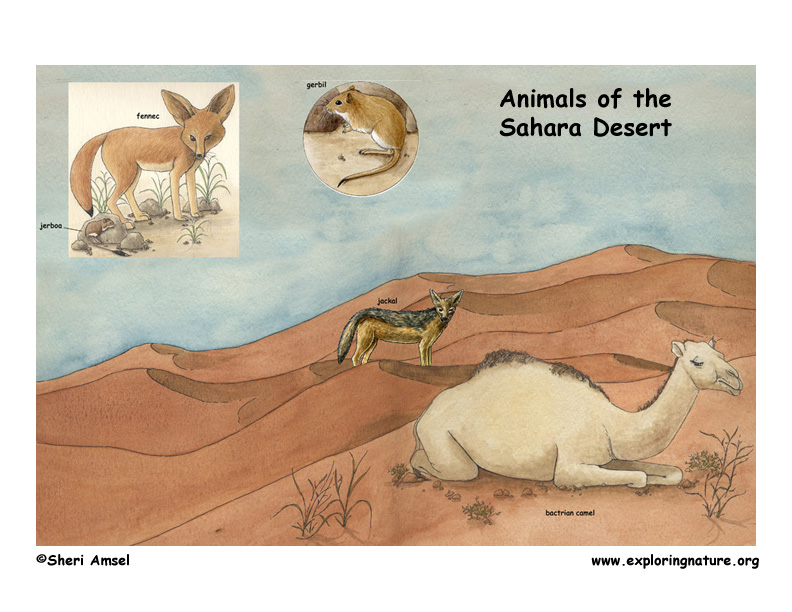
Look up that desert and see what plants and animals live there. It would interest you to know that the primary producers have the most abundant population because they are the primary source of food energy, and are consumed by other creatures for survival. Thus, they are found in extremely arid conditions, regions receiving less than 100 mm of annual rainfall. The addax antelopes are highly adapted to live in the harsh desert conditions and can sustain themselves without water for indefinite periods of time. Inspite of the extreme heat and less rainfall in the sahara desert, many plants and animals live here. The desert food chain is composed of the sequence of plants, herbivorous and carnivorous animals, by which energy and materials move within that ecosystem.
 Source: pinterest.com
The second level of the food chain is the small predators which include the badger, snakes, and bats. The solitary palm tree in the sahara desert. The desert biome consists of plants including cacti, grass, palm trees, desert willow, mesquites, saguaros, sage brush, desert milkweed, etc. Then the primary consumers, which are the herbivores eat the producers. It starts of with the sun.
 Source: pinterest.com
A change in the size of one population in a food chain. The desert food chain is composed of the sequence of plants, herbivorous and carnivorous animals, by which energy and materials move within that ecosystem. Scorpions and spiders also consume insects. Then the primary consumers, which are the herbivores eat the producers. Insects are the main food of all desert animals.
 Source: pinterest.com
A food chain in a grassland ecosystem may consist of grasses and other plants, grasshoppers, frogs, snakes and hawks (figure 8.3). The food chain describes who eats whom in the wild. It always ends with animals, called consumers. So, a desert food chain starts. They use water carbon dioxide and the energy stored to produce glucose, a sugar which is the basic component of the food chain.
 Source: pinterest.com
It would interest you to know that the primary producers have the most abundant population because they are the primary source of food energy, and are consumed by other creatures for survival. A rabbit eats the grass. They use water carbon dioxide and the energy stored to produce glucose, a sugar which is the basic component of the food chain. A food web is a group of overlapping food chains in an ecosystem. The cactus plays an important role in the desert food chain.
 Source: pinterest.com
These animals are eaten as well, by birds and foxes. Smaller animals tend to thrive in the desert as compared to those that are larger in size. A change in the size of one population in a food chain. • insectivores eat only insects. This is an example of a desert food chain.
 Source: pinterest.com
As you can see, there are many species of animals in the desert that eat each other. For example, the grasshopper mouse eats both brittlebush and winged grasshoppers. Then the primary consumers, which are the herbivores eat the producers. Scorpions and spiders also consume insects. A food web is a group of overlapping food chains in an ecosystem.
 Source: pinterest.com
The small rodents and insects and lizards eat the plants. The producers are the plants, cactus, creosote bushed, thorn acacras and many others. A food web is a group of overlapping food chains in an ecosystem. In the food chain everything is a cycle: A change in the size of one population in a food chain.
 Source: pinterest.com
Thus, they are found in extremely arid conditions, regions receiving less than 100 mm of annual rainfall. Several species of insects like ants, beetles, termites, fleas, lice, mantids, moths, locusts, etc., are found in the arabian desert and act as an important part of the desert food chain. This is an example of a food chain in the desert. These insectivores then fall prey to the most dangerous carnivores in the desert, the snakes. Smaller animals tend to thrive in the desert as compared to those that are larger in size.
 Source: pinterest.com
There is less variety within the community of organisms relative to tropical biomes or even the temperate rainforest biome of bc in the biosphere, as the conditions are much harsher. Everything relies on one another, if you were to take one out, everything will be. Simultaneously, the plants depend totally on the unpredictable desert environment: If you were to take out the cricket, the frog and shrew would die out and then the snake would die and then the hawks would die. A food chain shows how each member of an ecosystem gets its food.
 Source: pinterest.com
In spite of the extreme heat and less rainfall there are many plants and animals that live here. A food chain is sequence of plants, herbivores and carnivores, through which energy and materials move within an ecosystem. This is an example of a food chain in the desert. The next level contains the plant eaters which include squirrels, grass grazers, and insects. For example, the grasshopper mouse eats both brittlebush and winged grasshoppers.
 Source: pinterest.com
In the food chain everything is a cycle: Look up that desert and see what plants and animals live there. In spite of the extreme heat and less rainfall there are many plants and animals that live here. Sahara desert food web/food chain; The food web works in a strange way in the outback.
 Source: pinterest.com
Each habitat has its own food chain based on the animals and plants found there. The plants are called producers as they do. Everything relies on one another, if you were to take one out, everything will be. The desert biome consists of plants including cacti, grass, palm trees, desert willow, mesquites, saguaros, sage brush, desert milkweed, etc. Pack rats search for food and material for building their nest at night.
 Source: pinterest.com
As you can see, there are many species of animals in the desert that eat each other. Thus, they are found in extremely arid conditions, regions receiving less than 100 mm of annual rainfall. This is an example of a desert food chain. This is because food and water in the desert is scarce while the climatic conditions are quite extreme. • omnivores eat plants and animals.
 Source: pinterest.com
There is less variety within the community of organisms relative to tropical biomes or even the temperate rainforest biome of bc in the biosphere, as the conditions are much harsher. The plants, also known as the producers, capture energy from the sun and start the process of photosynthesis all plants from shrubs to cacti use the suns energy as food. A food chain shows how each member of an ecosystem gets its food. A few desert animals eat both plants and animals and are known as omnivores. The addax antelopes are highly adapted to live in the harsh desert conditions and can sustain themselves without water for indefinite periods of time.
 Source: pinterest.com
Insects are the main food of all desert animals. Insects are the main food of all desert animals. Look up that desert and see what plants and animals live there. The desert food chain is composed of the sequence of plants, herbivorous and carnivorous animals, by which energy and materials move within that ecosystem. So, a desert food chain starts.
 Source: pinterest.com
Then the primary consumers, which are the herbivores eat the producers. Food chains are usually short and not more than three or four links. The availability and timeliness of moisture, the intensity of seasonal temperatures and the organic richness of the soil. Secondary consumers prey on the primary consumers. The plants, also known as the producers, capture energy from the sun and start the process of photosynthesis all plants from shrubs to cacti use the suns energy as food.
 Source:
Then it goes on to the producers like spinifex grass and eucalyptus there many others than these two. • insectivores eat only insects. These animals are eaten by larger insects, lizards, and also snakes. For example, grass produces its own food from sunlight. The sahara desert food chain begins with the plants.
 Source: pinterest.com
The top predators on the desert biome food chain are the large animals including the coyote and raptor. A food web is a group of overlapping food chains in an ecosystem. It would interest you to know that the primary producers have the most abundant population because they are the primary source of food energy, and are consumed by other creatures for survival. Most animals are part of more than one food chain and eat more than one kind of food in order to meet their food and energy requirements. As you can see, there are many species of animals in the desert that eat each other.
This site is an open community for users to submit their favorite wallpapers on the internet, all images or pictures in this website are for personal wallpaper use only, it is stricly prohibited to use this wallpaper for commercial purposes, if you are the author and find this image is shared without your permission, please kindly raise a DMCA report to Us.
If you find this site convienient, please support us by sharing this posts to your own social media accounts like Facebook, Instagram and so on or you can also bookmark this blog page with the title desert animals and plants food chain by using Ctrl + D for devices a laptop with a Windows operating system or Command + D for laptops with an Apple operating system. If you use a smartphone, you can also use the drawer menu of the browser you are using. Whether it’s a Windows, Mac, iOS or Android operating system, you will still be able to bookmark this website.


