Your Cellular respiration in plants and animals images are ready in this website. Cellular respiration in plants and animals are a topic that is being searched for and liked by netizens now. You can Download the Cellular respiration in plants and animals files here. Download all royalty-free images.
If you’re looking for cellular respiration in plants and animals images information connected with to the cellular respiration in plants and animals interest, you have pay a visit to the ideal blog. Our website always gives you suggestions for viewing the highest quality video and image content, please kindly search and locate more informative video content and images that fit your interests.
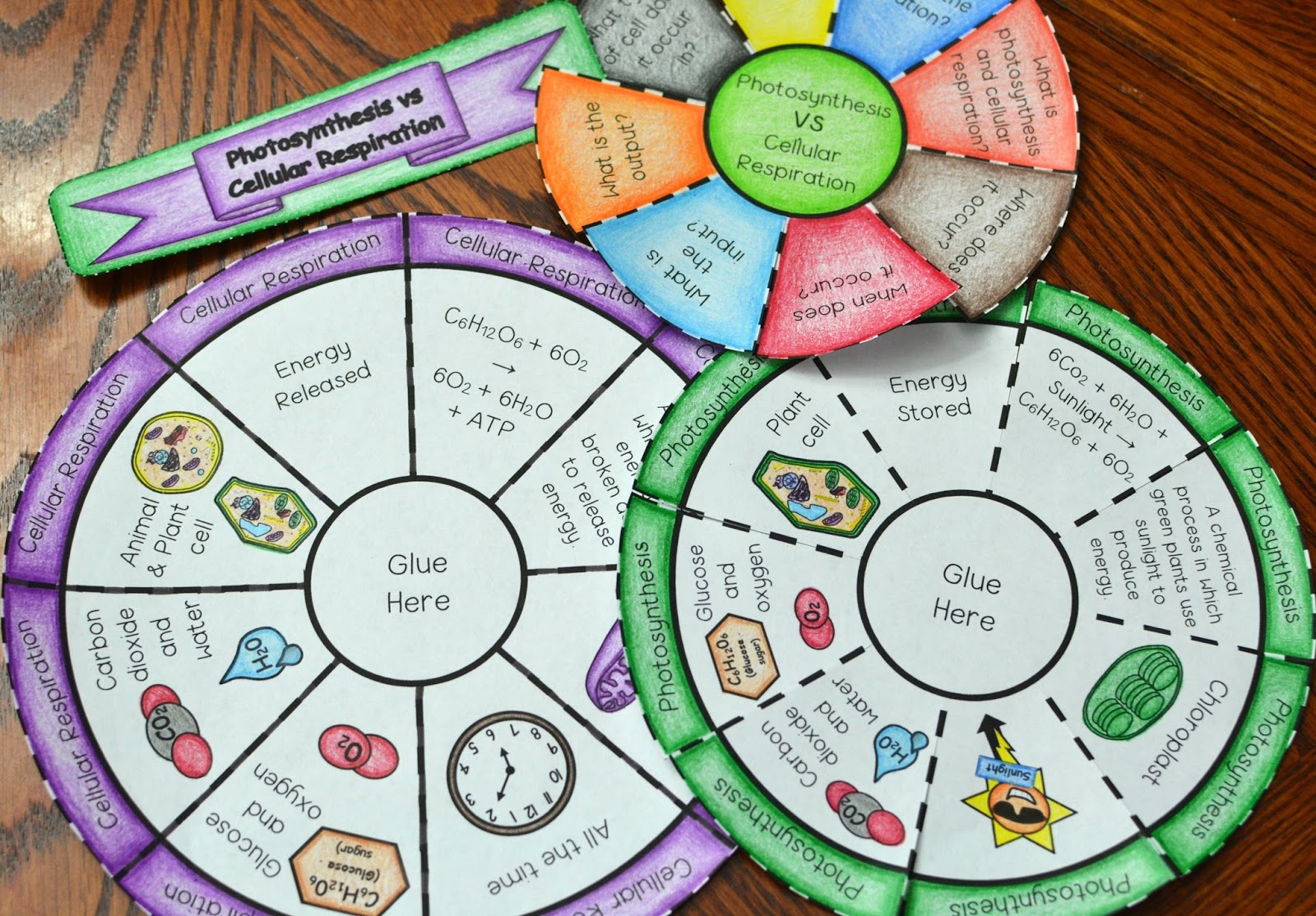
Cellular Respiration In Plants And Animals. Photosynthesis is the process where plants convert light energy into chemical energy. All living things use a process called respiration to get energy to stay alive. _____ cellular respiration both plants and animals need to break down food molecules at the cellular level in order to obtain energy. Plants animals photosynthesis and cellular respiration photosynthesis creates glucose molecules (instead of eating) → this fuels cellular respiration in the plant cells → which creates atp → which fuels plant growth and reproduction → which provides carbohydrates to animals for their cellular respiration.
 Photosynthesis and Cellular Respiration Worksheets From pinterest.com
During night, in absence of sunlight, plants perform only respiration, therefore, plants take oxygen inside the body and release carbon dioxide outside the body. This carbon dioxide is a waste product produced by the animal�s cells during cellular respiration. In a broad sense, cellular respiration can be classified into two types: B) and those who do not are described as “anaerobic“. I know viruses can�t carry out cellular respiration but i don�t know if. Illustration of the interdependence of the cellular respiration processes in animal cells and plant cells.
Only plants and animals use glucose and oxygen for cellular respiration.
All living organisms carry out some form of cellular respiration. Plants on earth use photosynthesis to produce the molecules necessary for animals to live. Plant cells respire the same way animal cells do, but respiration is only one part of the process. This process is dependent on photosynthesis and, since plants perform both processes, we call them autotrophs. Respirati on is the biochemical process in which the cells of living organisms obtain energy by combining oxygen and glucose, resulting in the release of carbon dioxide, water, and atp.; Cellular respiration is the process through which cells convert sugars into energy.
 Source: pinterest.com
Parts of plants such as roots, stem and leaf perform respiration and producing energy. This means that plants and animals live together and benefit from each other. Both animals and humans breathe, which is a step involved in respiration. What is respiration in plants. B) and those who do not are described as “anaerobic“.
 Source: pinterest.com
This process is called cellular respiration. Respiration in plants and animals. Chemiosmotic hypothesis was proposed by peter mitchell 1961. All living organisms carry out some form of cellular respiration. A) organisms that utilize oxygen in the process are called as “aerobic“.
 Source: pinterest.com
This process is occurring during cellular respiration and photosynthesis. The mitochondria is the powerhouse of the cell. It is often called aerobic respiration because the process requires oxygen (the root aer comes from the greek word for “air”). Plants take part in respiration all through their life as the plant cell needs the energy to survive, however, plants breathe differently, through a process known as cellular respiration. We will talk today about the process of respiration in plants and animals covering all the different aspects of the process.
 Source: pinterest.com
The main organic compound is glucose/carbohydrates. All living organisms carry out some form of cellular respiration. In plants, most of the living cells are present towards the leaf surface. In the plant cell (top), water (h2o, blue arrow) and carbon dioxide (co2, grey arrow) are combined using the energy of sunlight (yellow arrow) to produce sugars (such as dextrose) in a process. We will talk today about the process of respiration in plants and animals covering all the different aspects of the process.
 Source: pinterest.com
The mitochondria is the powerhouse of the cell. The rate of respiration in plants is far less than the rate of respiration in animals. To create atp and other forms of energy to power cellular reactions, cells require fuel and an electron acceptor which drives the chemical process of turning energy into a useable form. Carbon dioxide released during respiration is reuse for photosynthesis hence, during day more oxygen is released. During the day respiration and photosynthesis takes place simultaneously.
 Source: pinterest.com
In this process of cellular respiration, plants generate glucose molecules through. They do not entail a significant demand for gaseous exchange. Chemiosmotic hypothesis was proposed by peter mitchell 1961. Both plants and animals use cellular respiration to make energy. The rate of respiration in plants is far less than the rate of respiration in animals.
 Source: pinterest.com
Plants use a process called photosynthesis. Cellular respiration is a set of metabolic reactions and processes that take place in the cells of organisms to convert chemical energy from oxygen molecules or nutrients into adenosine triphosphate (atp), and then release waste products. All living things use a process called respiration to get energy to stay alive. Only plants and animals use glucose and oxygen for cellular respiration. Plants on earth use photosynthesis to produce the molecules necessary for animals to live.
 Source: pinterest.com
Animal life receives oxygen molecules, and—after a process called internal respiration and cellular respiration takes place inside the animal or human body—exudes carbon dioxide molecules. Plants use a process called photosynthesis. It�s responsible for cellular respiration in both plants and animal cells. I know viruses can�t carry out cellular respiration but i don�t know if. Animals get their energy by eating food, digesting it, and turning it into the base sugars, proteins, and lipids that the cells can burn to perform cellular respiration (which makes atp).
 Source: pinterest.com
Both, animals and plants resort to this process, wherein they use nutrients such as glucose, amino acids, and fatty acids to produce energy. 2 animals and plants need oxygen. I know viruses can�t carry out cellular respiration but i don�t know if. Respirati on is the biochemical process in which the cells of living organisms obtain energy by combining oxygen and glucose, resulting in the release of carbon dioxide, water, and atp.; In plants, most of the living cells are present towards the leaf surface.
 Source: pinterest.com
All living things use a process called respiration to get energy to stay alive. _____ cellular respiration both plants and animals need to break down food molecules at the cellular level in order to obtain energy. The first process of cellular respiration, glycolysis, is exactly what its name implies. The common oxidizing agent in this process is molecular oxygen. When an animal breathes, it takes in oxygen gas and releases carbon dioxide gas into the atmosphere.
 Source: pinterest.com
Plant cells respire the same way animal cells do, but respiration is only one part of the process. The main organic compound is glucose/carbohydrates. The difference is that plants also have chloroplasts that perform photosynthesis. Both animals and humans breathe, which is a step involved in respiration. Amino acids and proteins can be used when we eat excess or run out of carbs and lipids.
 Source: pinterest.com
On the other hand, photosynthesis is the process where light energy is converted into chemical energy stored in. It includes glycolysis, the tca cycle, and oxidative phosphorylation. In plants, most of the living cells are present towards the leaf surface. Respiration may be defined as the oxidation of organic substances, with the release of energy within the cell. Cellular respiration is the process through which cells convert sugars into energy.
 Source: pinterest.com
B) and those who do not are described as “anaerobic“. Animals get their energy by eating food, digesting it, and turning it into the base sugars, proteins, and lipids that the cells can burn to perform cellular respiration (which makes atp). Animal life receives oxygen molecules, and—after a process called internal respiration and cellular respiration takes place inside the animal or human body—exudes carbon dioxide molecules. How do plants carry out cellular respiration? It is often called aerobic respiration because the process requires oxygen (the root aer comes from the greek word for “air”).
 Source: pinterest.com
Only plants and animals use glucose and oxygen for cellular respiration. Cellular respiration is the process through which cells convert sugars into energy. This carbon dioxide is a waste product produced by the animal�s cells during cellular respiration. While both plants and animals carry out cellular respiration, only plants conduct photosynthesis to make their own food. To survive, plants also need another chemical reaction called photosynthesis.
 Source: pinterest.com
Respiration may be defined as the oxidation of organic substances, with the release of energy within the cell. Digested foods have chemical energy Since this is the opposite process of cellular respiration, plants and animals are said to have a symbiotic relationship. Amino acids and proteins can be used when we eat excess or run out of carbs and lipids. They do not entail a significant demand for gaseous exchange.
Source: pinterest.com
To create atp and other forms of energy to power cellular reactions, cells require fuel and an electron acceptor which drives the chemical process of turning energy into a useable form. Plants and animals breathe, but animals, including humans, require plants to convert the energy of the sun into oxygen. This means that they use the nutrients they obtained from soil and turn them into energy. Plants on earth use photosynthesis to produce the molecules necessary for animals to live. Living organisms, including plants, animals, and microorganisms, generate their own energy in a process called cellular respiration.interestingly depending on the type of precursor for atp production, organisms can be classified into two:
 Source: pinterest.com
A) organisms that utilize oxygen in the process are called as “aerobic“. Cellular respiration in plants occurs only during the day. In this process of cellular respiration, plants generate glucose molecules through. Plants take part in respiration all through their life as the plant cell needs the energy to survive, however, plants breathe differently, through a process known as cellular respiration. Plants uses carbs or lipids made from photosynthesis.
 Source: pinterest.com
Plants animals photosynthesis and cellular respiration photosynthesis creates glucose molecules (instead of eating) → this fuels cellular respiration in the plant cells → which creates atp → which fuels plant growth and reproduction → which provides carbohydrates to animals for their cellular respiration. It�s responsible for cellular respiration in both plants and animal cells. The first process of cellular respiration, glycolysis, is exactly what its name implies. Plant cells respire the same way animal cells do, but respiration is only one part of the process. What is respiration in plants.
This site is an open community for users to do sharing their favorite wallpapers on the internet, all images or pictures in this website are for personal wallpaper use only, it is stricly prohibited to use this wallpaper for commercial purposes, if you are the author and find this image is shared without your permission, please kindly raise a DMCA report to Us.
If you find this site good, please support us by sharing this posts to your own social media accounts like Facebook, Instagram and so on or you can also bookmark this blog page with the title cellular respiration in plants and animals by using Ctrl + D for devices a laptop with a Windows operating system or Command + D for laptops with an Apple operating system. If you use a smartphone, you can also use the drawer menu of the browser you are using. Whether it’s a Windows, Mac, iOS or Android operating system, you will still be able to bookmark this website.


