Your Arctic tundra animals and plants images are available in this site. Arctic tundra animals and plants are a topic that is being searched for and liked by netizens now. You can Get the Arctic tundra animals and plants files here. Find and Download all royalty-free images.
If you’re looking for arctic tundra animals and plants images information linked to the arctic tundra animals and plants keyword, you have come to the right site. Our site frequently gives you suggestions for downloading the highest quality video and image content, please kindly surf and find more enlightening video articles and images that match your interests.
Arctic Tundra Animals And Plants. In north america the descriptive term barren grounds is. The arctic tundra is also a windy place and winds can blow between 30 to 60 miles (48 to 97 kilometers) per hour. It has no predators and it eats bear berries, musk oxen, caribou, walrus and the harp seal. Notable animals in the arctic tundra include reindeer (caribou), musk ox, arctic hare, arctic fox, snowy owl, lemmings, and even.
 Arctic Tundra Animals Arctic tundra outbackside! Arctic From pinterest.com
There are thousands of species of plants in the arctic tundra. The fox has a thick fur that turns from brown to white in winter, and a rounded body shape that helps conserve heat. Two main vegetation zones are found in the polar lands. The average litter is between 5 and 9 pups, but it is also common for there to be much larger litters. The arctic tundra is a harsh environment that only the toughest plants and animals can survive in. Other animals that live in the tundra include polar bears, arctic foxes, caribous (north american reindeers), penguins (southern arctic areas), grey wolves, snow geese and musk oxen.
Most birds and mammals only use the tundra as a summer home.
The arctic tundra can be found in the northern parts of north america, europe, and asia. The polar bear is a tertiary consumer and is an omnivore. The arctic hare�s diet consists of buds, berries, twigs mosses, woody plants and other types of vegetation that can be found in the tundra. There are no trees in the tundra. The plants that grow in the arctic tundra are simpler then the plants that we grow in america. To the north is the arctic proper, where the vegetation is generally referred to as tundra, from the finnish word for an open rolling plain;
 Source: pinterest.com
They will sometimes forage shelters in the snow to help them survive the extremely cold temperatures of the tundra It has no predators and it eats bear berries, musk oxen, caribou, walrus and the harp seal. It has a wide prey base that includes lemmings, voles, fish, seabirds, and more. In the south is the subarctic, formed by the northern subzones of the circumpolar boreal forest. The plants that grow in the arctic tundra are simpler then the plants that we grow in america.
 Source: pinterest.com
Tundra biome is located in the arctic circle, which is a circle that surrounds the north pole, but this is not the only place we can find freezing cold temperatures and a few animals. In antarctica, and other cold environments, there are areas that can be described as part of a tundra biome as well. Considering the extremely inhospitable conditions of the tundra biome, there are as many as 1,700 different plant species that grow here. These plants are food for animals like arctic hares and squirrels, caribou, lemmings and voles; Approximately 1,700 species of plants live on the arctic tundra, including flowering plants, dwarf shrubs, herbs, grasses, mosses, and lichens.
 Source: pinterest.com
The arctic tundra, where the. The word tundra derived from a finnish word which means treeless land. It has no predators and it eats bear berries, musk oxen, caribou, walrus and the harp seal. The arctic tundra, where the. The arctic hare�s diet consists of buds, berries, twigs mosses, woody plants and other types of vegetation that can be found in the tundra.
 Source: pinterest.com
The polar bear is a tertiary consumer and is an omnivore. The habitat has a long and brutal winter and the barren landscape provides many challenges. They will sometimes forage shelters in the snow to help them survive the extremely cold temperatures of the tundra Introduction to tundra region some places on earth are so extreme that only a few animals and plants can survive there. There are also a few fish species.
 Source: pinterest.com
The overall tundra climate allows only the fittest to survive. Tundra plants can flower at lower temperatures than any other flowering plants on earth. Animals of the arctic tundra 1. The plants tend to be small and close to the ground. 9 arctic plants and how they adapt.
 Source: pinterest.com
Canada�s northern territories encompass a total area of 2,600,000 km 2. The arctic tundra is a harsh environment that only the toughest plants and animals can survive in. The arctic fox (vulpes lagopus) is one of the most common arctic tundra animals. But, sadly this particular biome�s animals are quickly dying off from the melting snow from global warming or just humans killing either from weapons or pollution. The plants that grow in the arctic tundra are simpler then the plants that we grow in america.
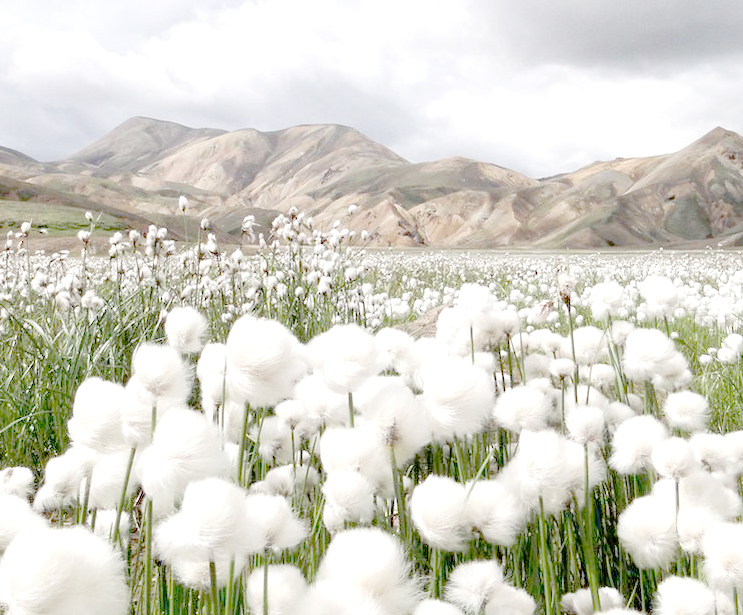 Source: pinterest.com
Few alpine animals, however, contributed directly to the evolution of arctic tundra species, because physical barriers prevented the migration of species and because alpine and arctic animals were specialized to their. This protects them from strong winds and cold temperatures. The plants tend to be small and close to the ground. Most birds and mammals only use the tundra as a summer home. There are also a few fish species.
 Source: pinterest.com
The habitat has a long and brutal winter and the barren landscape provides many challenges. The polar bear is a tertiary consumer and is an omnivore. Canada�s northern territories encompass a total area of 2,600,000 km 2. The word tundra derived from a finnish word which means treeless land. The overall tundra climate allows only the fittest to survive.
 Source: pinterest.com
Two main vegetation zones are found in the polar lands. The arctic tundra animals and plants have to adapt to the harsh climatic conditions. Below are some really neat facts about the arctic tundra! But there are still plants out there. In north america the descriptive term barren grounds is.
 Source: pinterest.com
The arctic tundra animals and plants have to adapt to the harsh climatic conditions. This topic will explore characteristics such as climate, plant, animals that make this biome unique. The arctic fox is a secondary consumer and a carnivore. To the north is the arctic proper, where the vegetation is generally referred to as tundra, from the finnish word for an open rolling plain; The word tundra derived from a finnish word which means treeless land.
 Source: pinterest.com
For its twigs and leaves such as the arctic hare. In the south is the subarctic, formed by the northern subzones of the circumpolar boreal forest. Few alpine animals, however, contributed directly to the evolution of arctic tundra species, because physical barriers prevented the migration of species and because alpine and arctic animals were specialized to their. Animals of the arctic tundra 1. Notable animals in the arctic tundra include reindeer (caribou), musk ox, arctic hare, arctic fox, snowy owl, lemmings, and even.
 Source: pinterest.com
The arctic has a reputation for being cold and inhospitable. Two main vegetation zones are found in the polar lands. To the north is the arctic proper, where the vegetation is generally referred to as tundra, from the finnish word for an open rolling plain; Some other plants are crustose and foliose lichen. There are also 400 varieties of flowers.
 Source: pinterest.com
Tundra biome is located in the arctic circle, which is a circle that surrounds the north pole, but this is not the only place we can find freezing cold temperatures and a few animals. Few alpine animals, however, contributed directly to the evolution of arctic tundra species, because physical barriers prevented the migration of species and because alpine and arctic animals were specialized to their. The word tundra derived from a finnish word which means treeless land. More than 100 species of birds travel to the tundra to feed on the wide range of insects and to reproduce, as the arctic tundra is a safe place to do so. There are also 400 varieties of flowers.
 Source: pinterest.com
The arctic tundra plants and animals have to adapt themselves in order to survive the harsh conditions of this region. In north america the descriptive term barren grounds is. Approximately 1,700 species of plants live on the arctic tundra, including flowering plants, dwarf shrubs, herbs, grasses, mosses, and lichens. The arctic tundra, where the. That evolved to survive in the coldest biome in the world.
 Source: pinterest.com
There are few species with large populations. Tundra biome is located in the arctic circle, which is a circle that surrounds the north pole, but this is not the only place we can find freezing cold temperatures and a few animals. The arctic has over 1700 types of plants that consist of low shrubs, reindeer moss, sedges, liverworts, and grasses. Few alpine animals, however, contributed directly to the evolution of arctic tundra species, because physical barriers prevented the migration of species and because alpine and arctic animals were specialized to their. Some plants that grow in the tundra include lichen, short shrubs, sedges, grasses, flowers, birch trees and willow trees.
 Source: pinterest.com
Animals of the arctic tundra 1. More than 100 species of birds travel to the tundra to feed on the wide range of insects and to reproduce, as the arctic tundra is a safe place to do so. The plants that grow in the arctic tundra are simpler then the plants that we grow in america. The arctic tundra plants and animals have to adapt themselves in order to survive the harsh conditions of this region. The arctic fox is a secondary consumer and a carnivore.
 Source: pinterest.com
The arctic hare�s diet consists of buds, berries, twigs mosses, woody plants and other types of vegetation that can be found in the tundra. Approximately 1,700 species of plants live on the arctic tundra, including flowering plants, dwarf shrubs, herbs, grasses, mosses, and lichens. Some plants that grow in the tundra include lichen, short shrubs, sedges, grasses, flowers, birch trees and willow trees. Some other plants are crustose and foliose lichen. As expected, the flowering period occurs early in the summer to let them mature and put out seeds in short growing season.
Source: pinterest.com
The arctic tundra plants and animals have to adapt themselves in order to survive the harsh conditions of this region. There are thousands of species of plants in the arctic tundra. The fox has a thick fur that turns from brown to white in winter, and a rounded body shape that helps conserve heat. This topic will explore characteristics such as climate, plant, animals that make this biome unique. 1,700 species of vascular plants and only 48 species of land mammals can be found, although millions of birds migrate there each year for the marshes.
This site is an open community for users to do submittion their favorite wallpapers on the internet, all images or pictures in this website are for personal wallpaper use only, it is stricly prohibited to use this wallpaper for commercial purposes, if you are the author and find this image is shared without your permission, please kindly raise a DMCA report to Us.
If you find this site convienient, please support us by sharing this posts to your preference social media accounts like Facebook, Instagram and so on or you can also save this blog page with the title arctic tundra animals and plants by using Ctrl + D for devices a laptop with a Windows operating system or Command + D for laptops with an Apple operating system. If you use a smartphone, you can also use the drawer menu of the browser you are using. Whether it’s a Windows, Mac, iOS or Android operating system, you will still be able to bookmark this website.


